
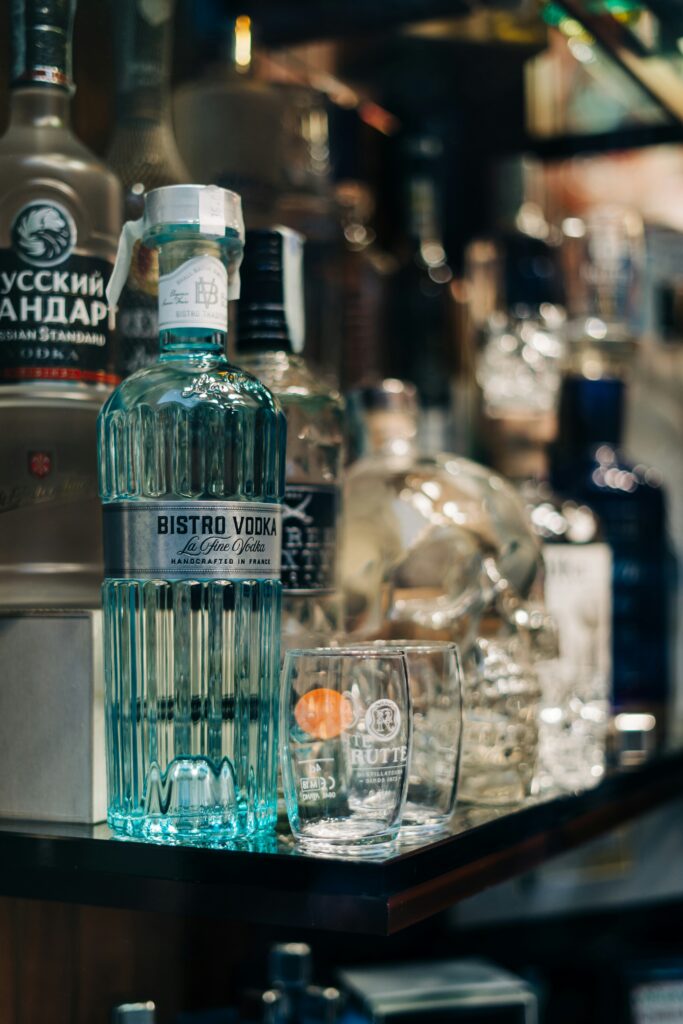
Russian and Eastern European vodka isn’t built to hide in a cocktail. It’s built to stand on its own.
This style focuses on strength, structure, and balance. If a vodka feels dry, firm, or a little spicy instead of sweet and soft, it usually comes from this part of the world.
A big reason why? What it’s made from.
Where This Style Comes From
Vodka grew out of colder regions where grain was easier to grow than fruit. In Russia, Poland, and nearby countries, vodka became part of everyday life—shared at meals, celebrations, and gatherings.
Because people drank it neat, producers made vodka that could handle being noticed.
The Base Ingredients Matter More Than the Label
Most traditional Russian and Eastern European vodkas are made from rye or wheat. A few lean into other grains, but the goal is always structure, not sweetness.
Rye-Based Vodkas (Dry, Spicy, Firm)
Rye gives vodka backbone. It creates a drier feel and a bit of bite on the finish.
Well-known examples:
- Belvedere — distilled from Polish rye
Clean, firm, slightly peppery - Żubrówka (standard version) — rye-based
Dry, structured, classic Polish style - Sobieski — rye
Straightforward, spicy, good structure
Rye vodkas feel serious. They don’t fade away on your palate.
Wheat-Based Vodkas (Cleaner, Softer, Still Dry)
Wheat smooths the edges but keeps things balanced. These vodkas are calmer but still firm.
Well-known examples:
- Russian Standard — winter wheat
Clean, crisp, controlled heat - Stolichnaya — wheat
Balanced, lightly grainy, classic profile - Wyborowa — rye-wheat blend
Dry, smooth, very traditional
Wheat vodkas still finish dry, just without as much spice as rye.
How These Vodkas Are Made (Simply)
Producers in this region usually:
- Distill cleanly, but not endlessly
- Avoid heavy filtration
- Keep texture instead of chasing softness
They want vodka to feel solid, not thin. Over-filtering removes the very thing they care about.
Why These Vodkas Feel “Hotter”
People sometimes say Russian or Polish vodka is harsh. What they’re feeling is structure, not poor quality.
These vodkas feel warmer because:
- More character stays in the spirit
- Filtration is lighter
- The vodka isn’t designed to disappear
Good heat should feel steady, not sharp or burning.
How People Actually Drink It There
Traditionally, vodka in this region is:
- Served ice-cold
- Drunk neat
- Always paired with food
Common pairings include pickles, salted fish, cured meats, and dark bread. The food softens the alcohol, and the vodka resets your palate between bites.
When This Style Makes Sense for You
This style works best if you:
- Like dry spirits
- Drink vodka neat or lightly chilled
- Want structure instead of sweetness
- Prefer something that holds its shape
It’s not meant for sweet mixers or juice-heavy drinks—and that’s intentional.
Common Misunderstandings
- “It burns, so it must be cheap.”
A little warmth is expected. - “All European vodka tastes the same.”
Rye and wheat change everything. - “It should be as smooth as American vodka.”
Different goal, different result.
The Bottom Line
Russian and Eastern European vodka values honesty over polish. It doesn’t try to be sweet or invisible. It shows you what it is—grain, structure, and balance.
If you want vodka that feels grounded and food-friendly, this style delivers once you stop expecting it to behave like a cocktail base.
In many Eastern European households, vodka isn’t just poured straight from the bottle. People often infuse vodka at home with simple ingredients like herbs, spices, or fruit. The goal isn’t to sweeten it, but to add subtle character while keeping the vodka dry and structured.
A basic vodka infuser makes this easy at home. It allows you to steep ingredients directly in the spirit, then strain them cleanly once the flavor feels right. It’s a practical way to experiment with traditional-style infusions—think peppercorns, citrus peel, or herbs—without turning vodka into a sugary liqueur.
I like something straightforward like this: Krafterize Vodka Infusion Kit – Premium Decanter Set with 8 Natural Botanicals & Innovative Infuser
Previous: Vodka Explained: How It’s Made, Why It Tastes Different, and What Most People Miss
Next: What Makes American Vodka Different: Grain, Water, and Style