
Why This Comes Up Every Single Night
This question never comes out confident.
It’s usually whispered.
Or followed by, “Sorry, this might be dumb.”
It’s not dumb.
The names are confusing, and the bottles don’t help.
“Whiskey” sounds like one thing.
It’s not. It’s a whole family reunion.
What These Words Actually Mean
Let’s clear the air first.
Whiskey is the umbrella term.
If it’s made from grain, fermented, distilled, and aged in wood, it’s whiskey.
Bourbon is a type of American whiskey.
Scotch is a type of whiskey made in Scotland.
Same idea.
Very different rules. Very different vibes.
Think of it like wine.
All Burgundy is wine. Not all wine is Burgundy.
The Grains (This Is Where Flavor Starts, Not the Barrel)
Every whiskey starts with cereal grain.
Not cereal you eat — cereal grain like:
• Corn
• Rye
• Barley
• Wheat
These grains matter more than most labels.
Bourbon must be at least 51% corn.
Corn is sweet. That’s not marketing — it’s chemistry.
That’s why bourbon feels round, soft, and familiar.
Vanilla, caramel, baked sugar energy.
Rye whiskey brings spice and grip.
Pepper, dry edges, a little bite.
Wheat whiskey is the smooth talker.
Less spice. Fewer sharp corners.
Scotch leans hard on malted barley.
That’s where you get savory, nutty, sometimes earthy flavors.
If you don’t like the grain, no barrel can save you.
How Whiskey Is Made (Same Road, Different Turns)
All whiskey follows the same basic path:
• Grain is mashed
• Yeast ferments it
• Liquid is distilled
• Spirit goes into barrels
That’s true everywhere.
The difference is how far producers push each step.
American whiskey is often distilled cleaner.
Scotch is usually distilled to keep more character.
Neither is right or wrong.
They’re just aiming at different targets.
One is polishing.
The other is preserving.
Barrels and Aging (This Is Where Things Get Loud)
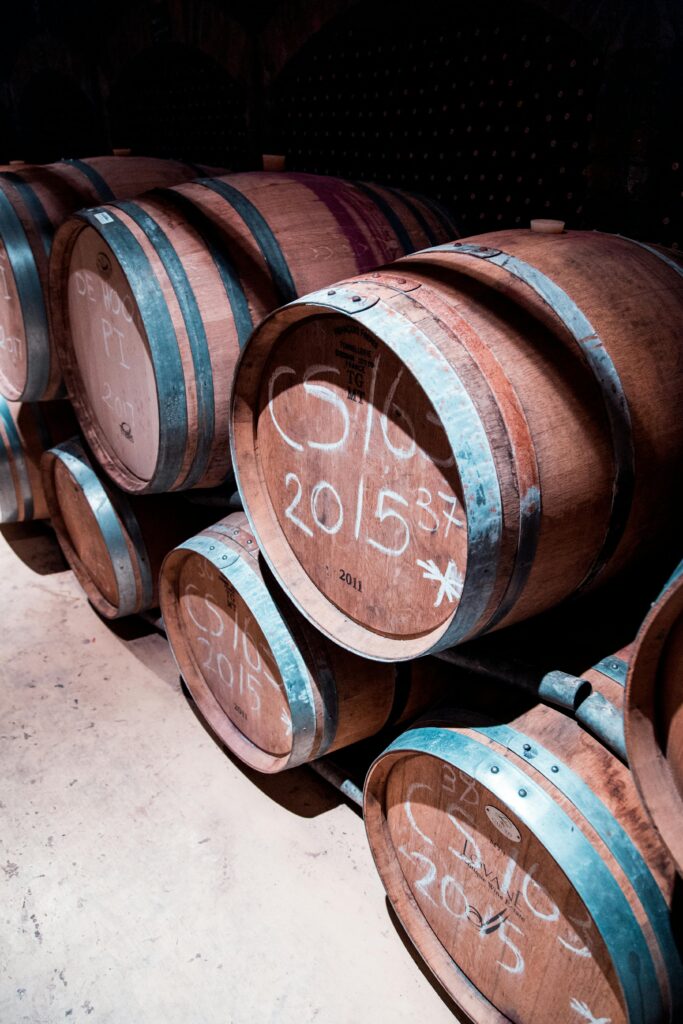
Barrels do a lot of heavy lifting.
Bourbon must be aged in brand-new, charred oak barrels.
New wood. Heavy char.
That’s why bourbon tastes like:
Vanilla, caramel, toast, spice.
The barrel is aggressive.
It grabs the spirit by the collar.
Scotch usually ages in used barrels.
Often ex-bourbon or ex-sherry casks.
Used barrels are calmer.
They add flavor without shouting.
That’s where you get:
Dried fruit, nuts, smoke, soft oak, sometimes peat.
Aging time matters — but barrel choice matters more.
Ten years in the wrong barrel just gives you old mistakes.
Try it yourself! 2 Liter Oak Bourbon Aging Barrel Dispenser
What I See Behind the Bar
At Pink Ivy, people think they hate whiskey.
They don’t.
They hate one style.
Someone says, “I don’t like scotch.”
Turns out they just don’t like smoke.
Someone says, “Bourbon is too sweet.”
They were poured one with a heavy new oak punch.
Once you explain grains and barrels, people relax.
They stop guessing.
They start choosing.
That’s when whiskey becomes fun.
How to Use This Without Memorizing Anything
You don’t need rules. You need direction.
If you like sweet flavors → start with bourbon.
If you like spice → try rye.
If you like savory or smoky notes → explore scotch.
Read the grain.
Ask about the barrel.
Those two things tell you more than age statements ever will.
The Takeaway
All whiskey starts the same way.
Grain. Yeast. Distillation. Wood.
Bourbon shows corn and new oak.
Scotch shows barley and time.
Once you understand that, whiskey stops feeling intimidating
and starts feeling like something you can actually enjoy —
instead of ordering vodka soda again and pretending you’re fine with it.
Previous: A Balanced Manhattan (Why Rye and Vermouth Matter More Than You Think)