
American vodka is built for smoothness and flexibility. It’s designed to work in cocktails, taste clean on its own, and feel familiar to a wide range of drinkers. That doesn’t mean it’s all the same. The grain, the water, and how it’s made still shape how it feels in the glass.
Understanding those basics makes choosing vodka a lot easier.
What is American Vodka?
In the U.S., vodka lives behind the bar. It shows up in Martinis, Vodka Sodas, Cosmos, Espresso Martinis, and simple mixed drinks. Because of that, American producers focus on making vodka that:
- Mixes easily
- Doesn’t overpower other ingredients
- Feels smooth and predictable
The goal isn’t to stand out — it’s to fit in cleanly.
The Grain Makes the Difference
Even when vodka is distilled to a high proof, the starting grain still affects how it feels.
Corn Vodka: Soft and Approachable
Corn is the most common base for American vodka. It’s widely grown across the Midwest and naturally produces a rounder, slightly sweeter spirit.
Well-known examples:
- Tito’s Handmade Vodka — distilled from corn
- Deep Eddy Vodka — distilled from corn
Corn-based vodka usually feels:
- Soft on the palate
- Slightly sweet
- Easy to drink and mix
This is why corn vodka works so well in vodka sodas and cocktails with citrus.
Wheat Vodka: Clean and Neutral
Wheat produces a cleaner, lighter vodka with less sweetness. It’s a classic choice for people who want neutrality without thinness.
Well-known examples:
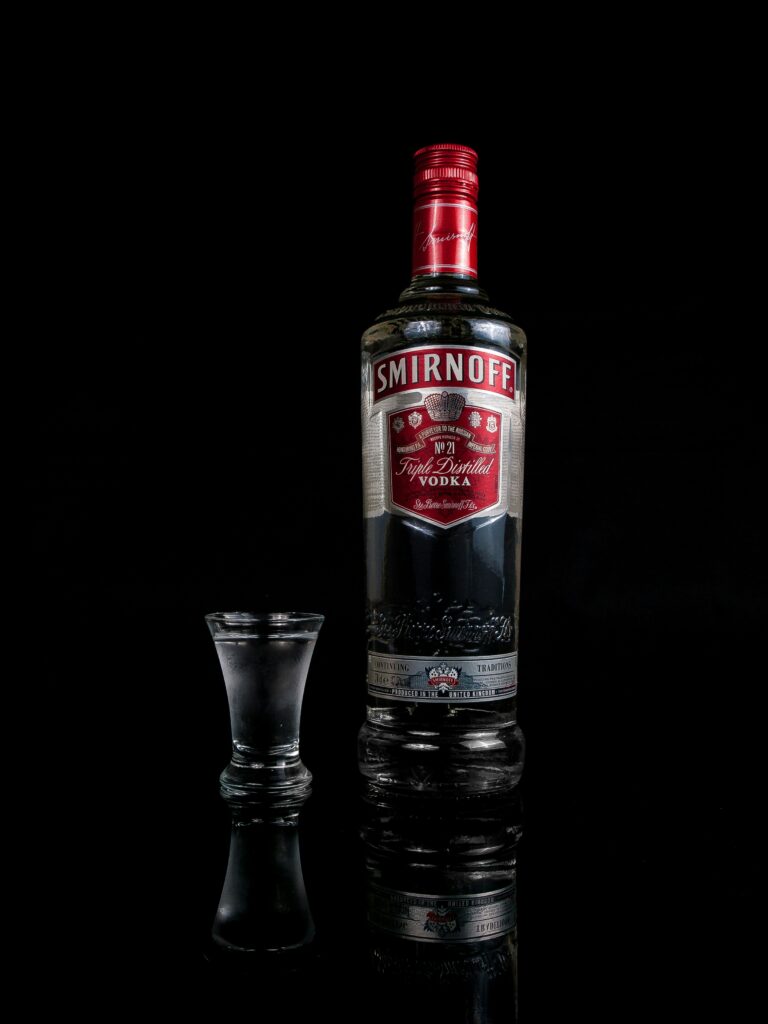
- Smirnoff (U.S. production) — wheat-based
- Absolut — wheat
Wheat vodka tends to feel:
- Crisp and clean
- Less sweet than corn
- Well-suited for Martinis and citrus-forward drinks
Other Grains (Less Common, but Growing)
Some American producers experiment with rye or mixed grains. These add a touch of dryness or spice, but they’re still a small part of the mainstream vodka market.
Water Plays a Big Role
Vodka is mostly water once it’s bottled. American distillers often emphasize:
- Local springs
- Aquifers
- Carefully filtered water
Soft water smooths out alcohol and helps vodka feel rounder and less sharp. This matters more than most people realize.
Why American Vodka Feels So Smooth
American vodka often feels smoother because:
- It’s distilled multiple times
- It’s heavily filtered
- The goal is consistency, not character
That smoothness makes it forgiving in cocktails and easy for casual drinkers.
How People Use American Vodka
American vodka works best when:
- Mixed into cocktails
- Paired with citrus, coffee, or soda
- Served chilled rather than neat
It’s not trying to demand attention. It’s trying to support the drink.
A Note on Vodka Infusions
Because American vodka starts so neutral, it’s a great base for simple home infusions. Adding ingredients like citrus peel, peppercorns, or herbs lets you personalize vodka without turning it sweet.
A basic vodka infuser makes this easy. You steep the ingredients directly in the vodka, then strain them out when the flavor feels right. It’s a practical way to add character while keeping the spirit clean and dry.
Where American Vodka Is Headed
A few clear directions are shaping the future of American vodka:
- More transparency about grain and sourcing
- Local and regional grains instead of anonymous bulk alcohol
- Less aggressive filtration to keep some texture
- Natural infusions instead of sugary flavored vodkas
- Sustainability in grain sourcing and water use
Vodka isn’t getting louder — it’s getting more thoughtful.
The Takeaway
American vodka prioritizes drinkability. Corn brings softness. Wheat brings cleanliness. Water smooths everything out. The result is a spirit that works almost anywhere without getting in the way.
If you want vodka that mixes easily, feels familiar, and stays consistent, American vodka does exactly what it’s meant to do.
A Simple Vodka Martini
(Classic, No Fuss)
This is a classic vodka martini build based on standards from the International Bartenders Association, adjusted to ounces and modern home use.
Ingredients
- 2½ oz vodka
- ½ oz dry vermouth
- Ice
- Lemon peel or olives
Method
- Fill a mixing glass with ice.
- Add the vodka and dry vermouth.
- Stir for about 20–30 seconds until well chilled.
- Strain into a chilled martini or coupe glass.
- Garnish with a lemon peel (for a cleaner drink) or olives (for a savory one).
Simple Adjustments
- Drier martini: Use ¼ oz vermouth
- Extra dry: Rinse the glass with vermouth, then dump it
- Softer martini: Add a little more vermouth (¾ oz)
Why This Works with American Vodka
American vodkas are designed to be smooth and neutral, which lets:
- The vermouth stay balanced
- The garnish stand out
- The drink stay clean instead of sharp
Corn-based vodkas give a rounder feel, while wheat-based vodkas keep things crisp.
Optional Bartender Tip
If your martini tastes flat, it usually needs more vermouth, not less. Vermouth brings structure, not sweetness.
Previous: Russian and Eastern European Vodka: What Makes It Different and Why People Care